How to prevent fungus gnats from coming back
Written by Mustafa Ayan Fact-checked against university extension/IPM sources Last reviewed: September 19, 2026
Bottom watering, sand top-dressing, quarantine for new plants, and how long to keep monitoring after adults stop appearing.
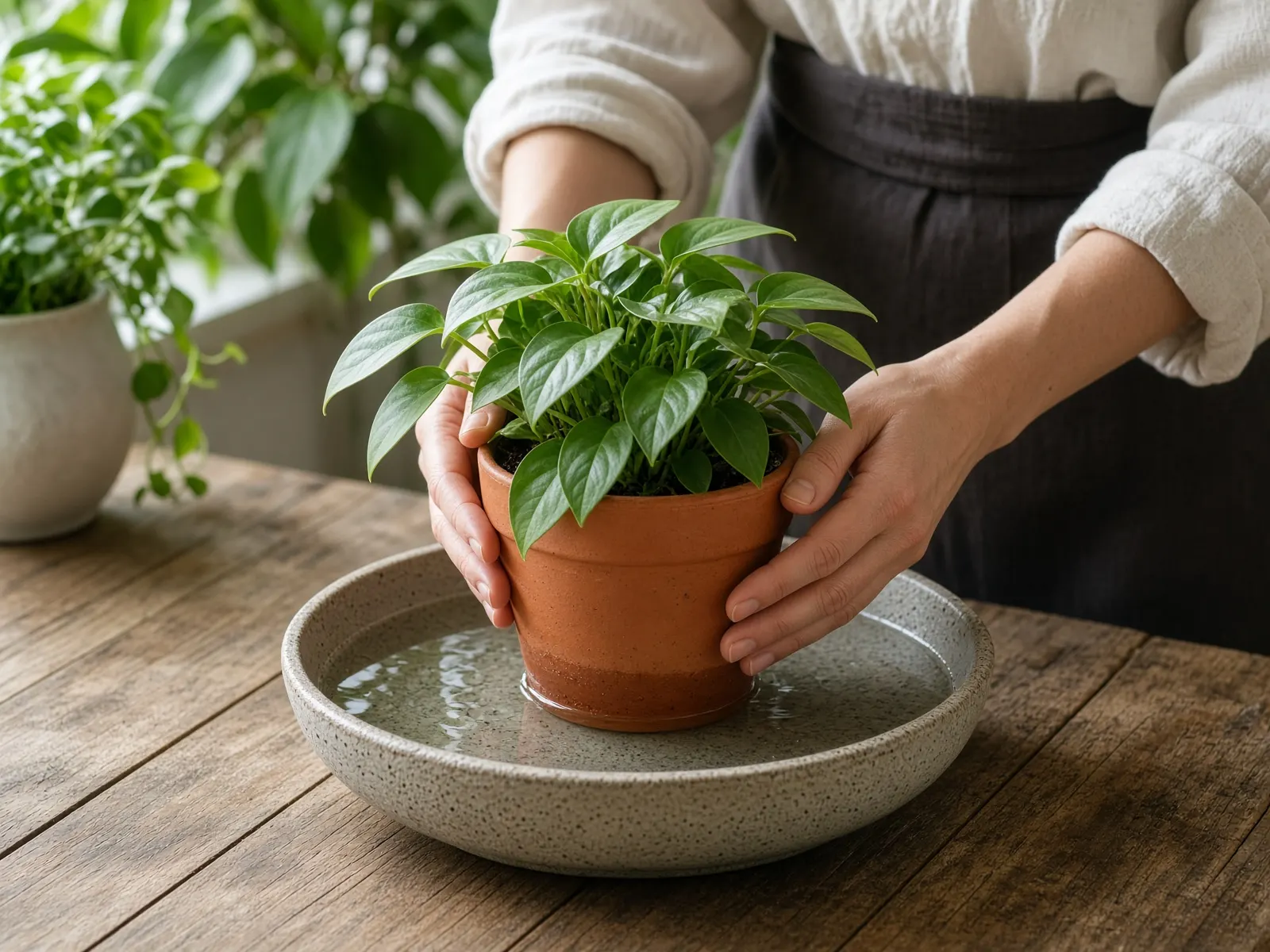
Keep monitoring after adults stop appearing
The life cycle from egg to adult is roughly 3–4 weeks in a warm home (slower in a cooler one), with larvae feeding for around two weeks — so eggs laid before you started treating can still finish developing after your trap counts look clear. There's no universal countdown that fits every case; instead, keep monitoring after adult numbers fall and continue moisture management and any labeled treatment long enough to account for remaining immature stages, rather than a fixed number of days. Treat a fresh trap catch as a sign to check the soil and continue, not a reason to start over. Stopping the moment the air looks clear is a common reason infestations restart.
Make the surface a bad nursery
A half-inch of coarse sand, horticultural grit, or fine gravel on top of the mix makes egg-laying harder and helps the surface dry. Do this after larval numbers are down so you are not trapping a wet layer underneath a crust.
Use a well-draining mix. Heavy peat that stays wet for a week is fungus-gnat habitat. Mix in bark, perlite, or pumice so air reaches the roots.
Quarantine new plants
Fungus gnats hitchhike in nursery mix. Keep new plants away from your collection for a week, with a sticky card in the pot. If the card stays clean and the soil dries normally, they can join the shelf.